

Safe, Secure Shopping

Great Prices

R99 Flat Rate fee

Hassle Free Returns

Showing all 10 results


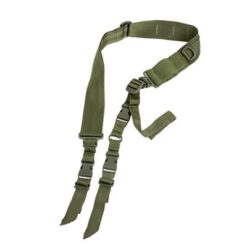
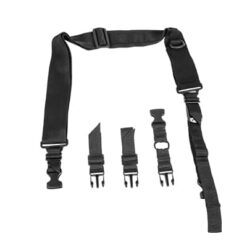
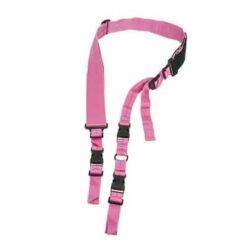
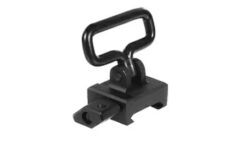
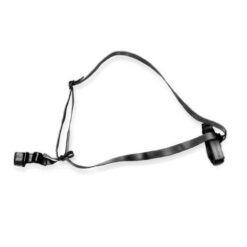
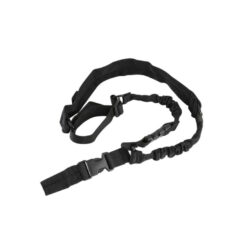
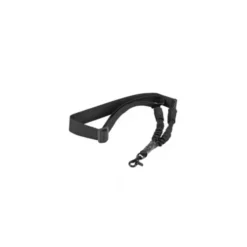
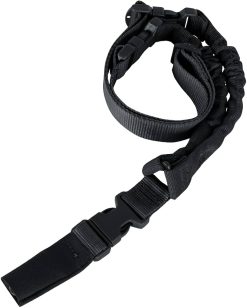
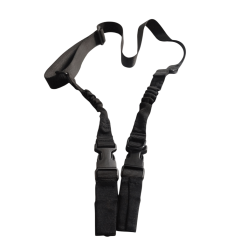
Shooting as a sport requires the shooter to carry heavy guns, ammo, and accessories from target to target. Slings, therefore, become an essential accessory to have in this sport. Barring this example slings are used to make ferrying heavy guns or weaponry around with ease. The grip and brace that a sling renders to a weapon also ensure higher accuracy. Slings also aid in stabilizing and balancing the player.
Weapons like rifles, shotguns, carbines, submachine guns and more rely on the usage of slings. There are numerous types of slings available and each has a different function. Some slings are one-sided and traditional in nature and some have a double strap for added support. There are designs that have incorporated segments to hold ammo, making the sling extremely versatile. The buckles and clasps at the end of the sling need to be strong. There are plenty of well-crafted slings on Blades and Triggers. Explore Tactical Gear Accessories for more.
GOODTrustindex verifies that the original source of the review is Google. Great service, bought the wrong pellets for my air rifle and the send a courier the next day to swap it out, with no extra charge. Thanks again guy's.Posted on GoogleTrustindex verifies that the original source of the review is Google. Very helpful and knowledgeable staff. Wide range of personal protection items.Posted on GoogleTrustindex verifies that the original source of the review is Google. This is the ideal place for any guy who loves weapons ,come and have a look at the variety of knives and swords ,airsoft guns aswell as paintball markers camo clothing ,helmets, knee and elbow pads everything you need to start a small army 🤣Dont be shocked when you see the prices.Posted on GoogleTrustindex verifies that the original source of the review is Google. Great service, and they have a broad knowledge of the products that they sell. If they do not have something in stock, they will make an effort to get it for you. It is a great atmosphere and everyone is very friendly. They sell paintball, airsoft, and self-defense products.Posted on GoogleTrustindex verifies that the original source of the review is Google. Excellent service when ever i entered the shop through out years since 2009, they were very quick when i needed help with gamo p-25 sorted it out right then and there keep up the good work guys very good team. Happy new year !Posted on GoogleTrustindex verifies that the original source of the review is Google. Well stocked and very friendly service. The staff products knowledge is excellent.


PAYMENTS ARE INTEREST-FREE WITH NO DEPOSIT REQUIRED. #CHOOSEHAPPY
Add items to your cart.
Choose
at checkout.
Enter your payment details & payday.
Your first payment (50%) is made on your first payday post-purchase and the second payment (50%) is made on your next payday thereafter.
