Ear protection
Best Gun Range Ear Protection: Electronic, Passive, and In-Ear Options Compared
Mar
Hearing protection is one of the most important pieces of safety gear at a gun range. Whether you’re a beginner practicing your first shots or an experienced shooter training regularly, exposure to loud gunfire can permanently damage your hearing. Gunshots can produce noise levels between 140 and 175 decibels, which is far above the safe hearing limit. Even a single exposure without proper protection can cause lasting hearing loss.
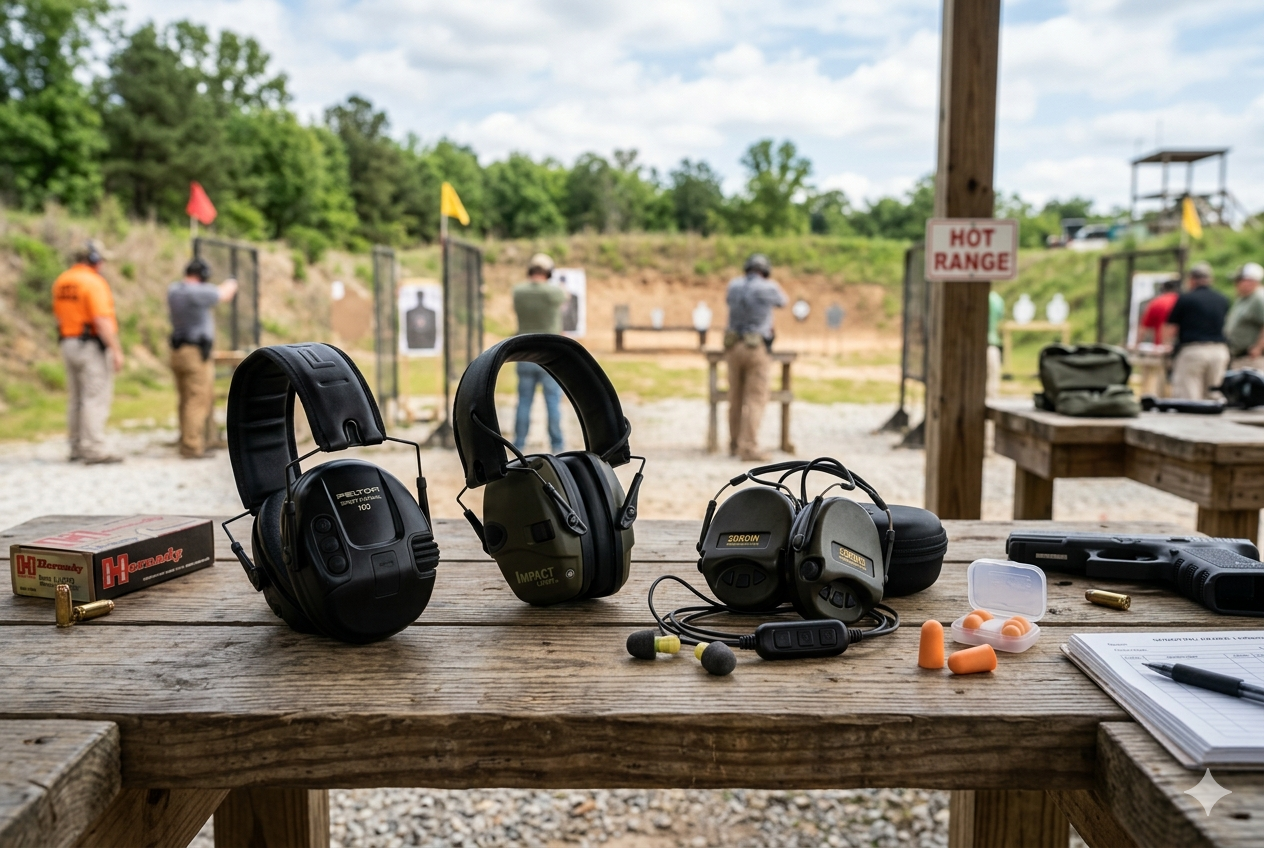
Because of this risk, shooters rely on specialized ear pro for optimal safety. ear protection designed specifically for firearms environments. Modern hearing protection options are more advanced than ever, offering comfort, communication features, and enhanced safety. From traditional passive earmuffs to advanced electronic models and compact in-ear plugs, each option has its advantages depending on your shooting environment and personal preference.
In this guide, we’ll explore the best gun range ear protection types, compare their features, and help you determine which option works best for your shooting needs.
Why Hearing Protection Is Essential at the Gun Range
Many new shooters underestimate the impact of repeated gunshot noise. Unlike everyday sounds, firearms generate an extremely sharp and intense noise impulse. This sudden blast can damage the sensitive hair cells in the inner ear almost instantly.
Some key reasons why proper ear protection is essential include:
1. Preventing Permanent Hearing Damage
Noise levels above 85 decibels can begin damaging hearing over time. Gunshots exceed this limit by a massive margin. Without proper ear protection, even short exposure can lead to permanent hearing loss.
2. Reducing Tinnitus Risk
Tinnitus is a persistent ringing or buzzing sound in the ears that many shooters experience after exposure to loud noises. Good hearing protection significantly reduces the risk of developing this condition.
3. Maintaining Situational Awareness
Modern ear protection, especially electronic models, can help you hear commands, conversations, and environmental sounds while still protecting your ears from gunfire.
4. Long-Term Shooting Safety
Professional shooters and instructors prioritize hearing protection because long-term exposure to shooting environments without protection can result in irreversible hearing damage.
Understanding Noise Reduction Rating (NRR)
When choosing ear protection, you’ll often see a rating called NRR (Noise Reduction Rating) is an important factor to consider when selecting the best shooting ear protection.. This number indicates how effectively the product reduces sound.
Typical NRR ranges include:
- 20–23 NRR: Basic hearing protection
- 24–28 NRR: Moderate protection suitable for most ranges
- 29–33 NRR: High-level protection for indoor or high-caliber shooting is crucial, and products like Howard Leight earmuffs provide excellent coverage.
Indoor gun ranges typically require higher NRR ratings because sound reflects off walls and surfaces, increasing overall noise exposure.
Many experienced shooters also use double protection—earplugs combined with earmuffs—to maximize safety.
Types of Gun Range Ear Protection
There are three primary categories of hearing protection used by shooters:
- Electronic ear protection
- Passive ear muffs
- In-ear protection
Each serves a different purpose depending on the shooter’s needs.
Electronic Ear Protection
Electronic ear protection has become extremely popular in recent years. These devices use built-in microphones and sound compression technology to protect hearing while allowing users to hear surrounding sounds.
How Electronic Ear Protection Works
Electronic ear protection amplifies low-level sounds such as:
- Conversations
- Range commands should be clearly heard, which is why many shooters opt for electronic muffs.
- Environmental noise
When a loud sound like a gunshot occurs, the system instantly suppresses or blocks the sound to protect your hearing.
Advantages
Electronic hearing protection offers several benefits:
Improved Communication
You can hear instructors and fellow shooters clearly without removing your protection.
Enhanced Awareness can be achieved with electronic muffs that amplify safe sounds while reducing harmful noise.
Some models amplify environmental sounds, helping shooters stay alert.
Comfort During Long Sessions
Many electronic models are designed with padded ear cups and adjustable headbands.
Versatility
They are suitable for shooting ranges, hunting, and tactical training.
Ideal Users
Electronic ear protection is ideal for:
- Competitive shooters
- Shooting instructors
- Hunters
- Frequent range visitors
Although they are typically more expensive than passive options, their advanced features and convenience make them a popular choice.
Passive Ear Muffs
Passive ear muffs are the most traditional form of shooting hearing protection. They use Peltor ear protection to ensure maximum comfort and safety during shooting sessions. dense foam and sound-blocking materials to reduce noise without electronic components.
How Passive Ear Muffs Work
These ear muffs create a seal around the ears, blocking sound waves before they reach the ear canal.
Advantages
Passive earmuffs remain widely used due to several benefits:
Reliable Noise Reduction
Many passive earmuffs offer high NRR ratings.
Durability
Without electronics, they are less likely to break or malfunction.
Affordable
They are often the most cost-effective option.
Low Maintenance
No batteries or charging required.
Ideal Users
Passive earmuffs are great for:
- Beginners
- Casual shooters
- Budget-conscious users
- Backup hearing protection
While they lack the situational awareness of electronic models, they still provide excellent hearing protection.
In-Ear Shooting Protection
In-ear protection, commonly called earplugs, is another popular option. These small devices fit directly into the ear canal and block sound from entering the ear.
Types of In-Ear Protection
There are several varieties of in-ear protection:
Foam earplugs are a cost-effective option for ear protection, but they may not provide the same level of awareness as electronic muffs.
These disposable plugs expand in the ear canal to block noise.
Reusable Silicone Earplugs
Durable and comfortable, often used for repeated range sessions.
Electronic In-Ear Devices
Advanced models, such as Sordin and Walker Razor, provide sound amplification similar to electronic earmuffs.
Advantages
In-ear protection offers unique benefits:
Compact and Portable
Easy to carry in a pocket or range bag.
Comfortable with Other Gear
Works well with helmets, hats, and eye protection.
Good for Double Protection
Often used with earmuffs for maximum noise reduction.
Ideal Users
In-ear hearing protection is ideal for:
- Hunters
- Tactical shooters
- Shooters who wear helmets
- Those needing lightweight protection
However, proper insertion is crucial to ensure maximum effectiveness.
Electronic vs Passive vs In-Ear: Which Is Best?
Choosing the best ear protection depends on your specific needs.
Electronic Protection
Best for shooters who want situational awareness and communication.
Passive Ear Muffs
Best for reliable, affordable, and simple hearing protection.
In-Ear Protection
Best for compact convenience and compatibility with other gear.
Many experienced shooters prefer combining earplugs and earmuffs, especially when shooting indoors or using high-caliber firearms.
Choosing the Right Ear Protection for Your Needs
When selecting ear protection, consider several important factors.
1. Shooting Environment
Indoor ranges typically require stronger hearing protection due to echo and enclosed sound.
Outdoor ranges may allow lighter protection if firearms are spaced farther apart.
2. Firearm Type
Larger calibers produce louder noise levels, requiring higher NRR protection.
3. Comfort
Comfort is essential for long shooting sessions. Look for features like:
- Padded headbands
- Soft ear cups
- Adjustable fit
4. Compatibility with Other Gear
Ensure your ear protection works well with:
- Safety glasses
- Hats or helmets
- Tactical equipment
5. Portability
Hunters and tactical shooters often prefer compact options that are easy to carry.
Tips for Maximizing Hearing Protection at the Range
Even the best ear protection requires proper use.
Follow these tips for maximum safety, including the use of foam earplugs or gel pads for added comfort.
Always Wear Protection Before Firing
Never wait until shooting begins. Put on ear protection before entering the firing line.
Ensure a Proper Seal
Earmuffs must fully cover the ears without gaps to ensure the best shooting ear protection.
Insert Earplugs Correctly
Roll foam plugs tightly before inserting them into the ear canal.
Replace Worn Equipment
Damaged or worn ear protection may not provide proper protection.
Use Double Protection When Needed
Combining earplugs and earmuffs offers the highest level of safety.
Future Innovations in Shooting Hearing Protection
Technology continues to improve hearing protection for shooters.
Emerging innovations include:
- Smart hearing protection with Bluetooth connectivity
- Adaptive sound filtering
- Rechargeable electronic systems
- Lightweight tactical designs
These advancements make shooting safer while enhancing comfort and communication.
Conclusion
Gun range ear protection, such as the Razor Slim earmuffs, is essential for anyone who spends time around firearms. With noise levels exceeding safe hearing limits, protecting your ears should always be a top priority.
Electronic hearing protection offers advanced features and situational awareness, making it a favorite among professionals and frequent shooters. Passive earmuffs remain a reliable and affordable option, while in-ear protection provides compact convenience and flexibility.
The best choice ultimately depends on your shooting environment, budget, and personal preferences. By understanding the differences between electronic, passive, and in-ear hearing protection, you can select the option that keeps you safe and comfortable during every range session.
Remember, hearing damage is permanent—but with the right protection, you can enjoy shooting sports for years to come while preserving your hearing health.
Frequently Asked Questions (FAQ)
1. What is the best ear protection for shooting at an indoor range?
Indoor ranges are louder because sound reflects off walls and ceilings. Many shooters use double protection, combining foam earplugs with earmuffs for maximum noise reduction.
2. Are electronic earmuffs better than passive earmuffs?
Electronic earmuffs are often preferred because they allow you to hear conversations and range commands while still blocking loud gunshots. However, passive earmuffs, like those from Walker Razor, are still highly effective and more affordable.
3. Can I use regular earplugs for shooting?
Regular foam earplugs can work for shooting if they have a sufficient NRR rating and are inserted correctly. However, specialized shooting ear protection often provides better comfort and protection.
4. What NRR rating is recommended for shooting?
Most shooting experts recommend ear protection with an NRR rating between 24 and 33, depending on the firearm and shooting environment.
5. Should hunters wear ear protection?
Yes. Even though hunting shots are less frequent than range shooting, a single gunshot can still cause hearing damage. Compact in-ear protection is commonly used by hunters.
6. Is it safe to shoot without ear protection once or twice?
No. A single exposure to gunshot noise can permanently damage hearing. Ear protection should always be worn whenever firearms are used.