knives
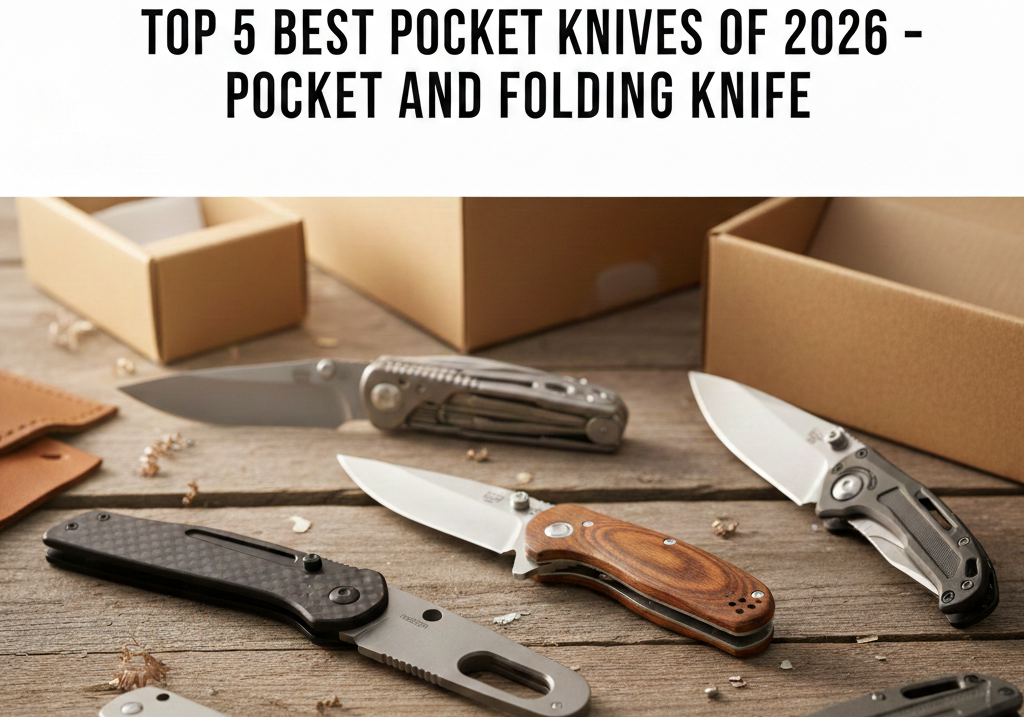
Top 5 Best Pocket Knives of 2026 – Pocket and Folding Knife
Jan
Pocket knives have long been trusted tools in South Africa, valued for their practicality, reliability, and versatility. From farm work and outdoor adventures to everyday urban use, a well-made pocket or folding knife remains one of the best tools a person can carry. As we move into 2026, pocket knife design has evolved significantly, combining advanced blade steels, improved locking mechanisms, and ergonomics suited for both professional and everyday carry (EDC) needs.
In South Africa, where outdoor culture, self-reliance, and utility tools play an important role in daily life, choosing the right pocket knife is not just about aesthetics—it’s about performance, durability, and legality. This guide explores what defines the best pocket knives of 2026, how modern folding knives are used locally, and what South African buyers should consider before making a purchase.
Pocket Knives in South Africa: More Than Just a Tool
Pocket knives have deep roots in South African culture, showcasing their utility in everyday life. Farmers, craftsmen, hikers, campers, and even office professionals rely on folding knives for a wide range of tasks. Unlike large fixed-blade knives, pocket knives offer discretion, portability, and versatility, making them ideal for daily carry and urban environments.
In rural areas, pocket knives are commonly used for cutting rope, opening feed bags, trimming materials, or basic repairs. In urban environments, they serve practical purposes such as opening parcels, light cutting tasks, and emergency use. For outdoor enthusiasts, a dependable folding knife is often a critical piece of gear for camping, fishing, or hiking.
As knife technology advances in 2026, modern pocket knives are no longer simple blades—they are precision tools built for reliability and safety.
What Defines the Best Pocket Knives in 2026?
Rather than focusing on brand hype or trends, the best pocket knives of 2026 are defined by performance characteristics that matter in real-world use, especially in South African conditions.
Blade Steel Quality
Modern pocket knives made of advanced stainless steel are designed to balance edge retention, corrosion resistance, and ease of sharpening. In South Africa’s varied climate—ranging from coastal humidity to dry inland regions—corrosion resistance is particularly important.
Locking Mechanisms
A reliable lock is essential for safety when using a pocket knife for EDC. High-quality folding knives now feature secure lock systems that prevent accidental closure during use, even under pressure.
Ergonomics and Grip
Comfort and control matter, especially during prolonged use. Modern designs focus on handle contours, textured grips, and balanced weight distribution.
Size and Carry Practicality
For everyday carry, a knife must be compact enough to carry comfortably while still offering sufficient blade length for practical tasks.
Durability and Construction
From pivot hardware to handle materials, durability ensures the knife performs consistently over time without developing play or mechanical issues.
Pocket Knives vs Folding Knives: Is There a Difference?
In everyday conversation, the terms “pocket knife” and “folding knife” are often used interchangeably, especially among EDC enthusiasts. Technically, all pocket knives are folding knives, but not all folding knives are ideal for pocket carry.
A true pocket knife is designed to:
- Fit comfortably in a pocket
- Be lightweight and discreet
- Include a pocket clip or slip-joint design to enhance the usability of your folding knife.
- Allow one-handed or easy opening
In 2026, most high-quality pocket knives combine folding mechanisms with modern features such as thumb studs, flipper tabs, or compression locks—making them faster, safer, and more convenient than older designs.
Blade Styles Commonly Used in South Africa
Different blade shapes suit different needs, and South African users often choose based on practicality rather than appearance.
Drop Point Blades
Highly versatile and strong, drop point blades are popular for general-purpose use, outdoor activities, and daily carry.
Clip Point Blades
These offer better precision and are useful for detailed cutting tasks, although the tip can be slightly weaker.
Tanto Blades
Favoured for durability and piercing strength, often used in tactical or heavy-duty applications.
For most South Africans, drop point blades remain the preferred choice due to their balance of strength and control.
Everyday Carry (EDC) Pocket Knives in South Africa
EDC culture continues to grow in South Africa, especially among professionals who value preparedness and efficiency. A pocket knife is often paired with other EDC items such as torches, multi-tools, or pens.
Common EDC Uses Include:
- Opening packages and boxes is a common task for a reliable pocket knife.
- Cutting zip ties or rope
- Light food preparation
- Emergency situations
- Outdoor and travel tasks
The best pocket knives of 2026 are designed to handle these tasks effortlessly without feeling bulky or aggressive in appearance, making them perfect for EDC.
Legal Considerations for Pocket Knives in South Africa
Knife laws in South Africa are guided by intent rather than strict blade-length rules. Carrying a pocket knife for utility purposes is generally acceptable, but misuse or carrying with intent to harm can lead to legal issues.
To stay on the safe side, consider using a folding knife with a reliable lock for your EDC.
- Choose a modest blade length suitable for utility when selecting your pocket knife.
- Avoid aggressive or weapon-styled designs for EDC pocket knives to ensure a more discreet carry.
- Carry the knife discreetly
- Use it responsibly and only when necessary
Modern pocket knives designed for everyday carry tend to align well with these expectations, often featuring stainless steel blades.
Pocket Knife Materials and Construction Trends in 2026
Blade Materials
Manufacturers continue to refine steel compositions that offer longer-lasting edges and better corrosion resistance. Powder metallurgy steels and stainless alloys are now more accessible than ever.
Handle Materials
Popular handle materials include:
- G10 for grip and durability
- Micarta for a natural, warm feel
- Aluminium for lightweight strength
- Carbon fibre for premium performance
These materials ensure pocket knives remain lightweight while handling demanding tasks.
Maintenance and Care in South African Conditions
Proper maintenance is essential for keeping a pocket knife in top condition, especially in regions with dust, sand, or coastal moisture.
Cleaning
Wipe the blade after use and occasionally clean the pivot area to prevent grit buildup.
Lubrication
A small drop of knife-safe oil keeps opening action smooth and prevents corrosion.
Sharpening
Regular light sharpening is better than waiting until the blade becomes dull. This maintains cutting efficiency and safety.
Storage
When not carried, store the knife in a dry environment to prevent moisture damage.
Pocket Knives for Outdoor and Bushcraft Use
South Africa’s outdoor lifestyle makes pocket knives especially valuable for bushcraft, camping, and hiking. While fixed blades are often preferred for heavy tasks, a strong folding knife, like those from Benchmade, can still perform remarkably well when designed properly.
Modern pocket knives in 2026 are capable of:
- Feathering wood
- Preparing food
- Cutting cordage
- Performing camp maintenance tasks
For outdoor users, strength, lock reliability, and grip security are key considerations.
Pocket Knives as Long-Term Tools
A high-quality pocket knife is not a disposable item. With proper care, it can last for years and even become a personal essential passed down through generations.
In South Africa, where practicality is highly valued, investing in a reliable pocket knife makes sense for:
- Personal safety and preparedness
- Work and trade use
- Outdoor activities
- Everyday convenience
Why Pocket Knives Remain Relevant in 2026
Despite advances in multi-tools and gadgets, pocket knives remain irreplaceable due to their simplicity, reliability, and efficiency. They require no batteries, minimal maintenance, and offer instant readiness.
In 2026, the best pocket knives combine stainless steel blades with ergonomic designs.
- Modern materials
- Safe locking mechanisms
- Compact, legal-friendly designs
- Real-world usability
These qualities ensure they remain essential tools rather than novelty items.
Conclusion
The best pocket knives of 2026 are defined not by flashy features but by thoughtful design, reliable performance, and adaptability to real-life use—especially in South Africa’s diverse environments. Whether carried for everyday convenience, professional tasks, or outdoor exploration, a well-made pocket or folding knife remains one of the most practical tools available.
By focusing on blade quality, ergonomics, safety, and responsible use, South African users can confidently choose a pocket knife that serves them well for years to come. In an age of disposable tools, a dependable pocket knife continues to represent self-reliance, preparedness, and practicality.
Frequently Asked Questions (FAQ)
1. Are pocket knives legal to carry in South Africa?
Yes, pocket knives are generally legal to carry when used for utility purposes. Legal issues arise mainly from intent or misuse.
2. What blade length is best for everyday carry?
Blades between 2.5 and 3.5 inches offer an ideal balance of portability and usefulness for most EDC tasks.
3. Are folding knives strong enough for outdoor use?
Modern folding knives with strong locking mechanisms are capable of many outdoor tasks, though fixed blades remain better for heavy-duty work.
4. How often should I sharpen my pocket knife?
Light sharpening should be done regularly, depending on usage. Frequent maintenance prevents excessive blade wear.
5. What is the best blade steel for South African conditions?
Stainless and corrosion-resistant steels perform well, especially in coastal and humid regions.
6. Can a pocket knife be used for self-defence?
Pocket knives are tools, not weapons. Their primary purpose is utility, and they should always be used responsibly and legally.